
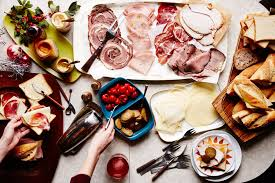
Charcuterie boards have become a culinary staple at gatherings, celebrations, and even casual nights at home. More than just a platter of meats and cheeses, a well-crafted charcuterie board is an edible work of art—one that blends flavor, texture, and visual appeal into a single, inviting spread. Whether you’re hosting a party or elevating your snacking experience, understanding the essentials can help you build a board that impresses every time.
What Is a Charcuterie Board?
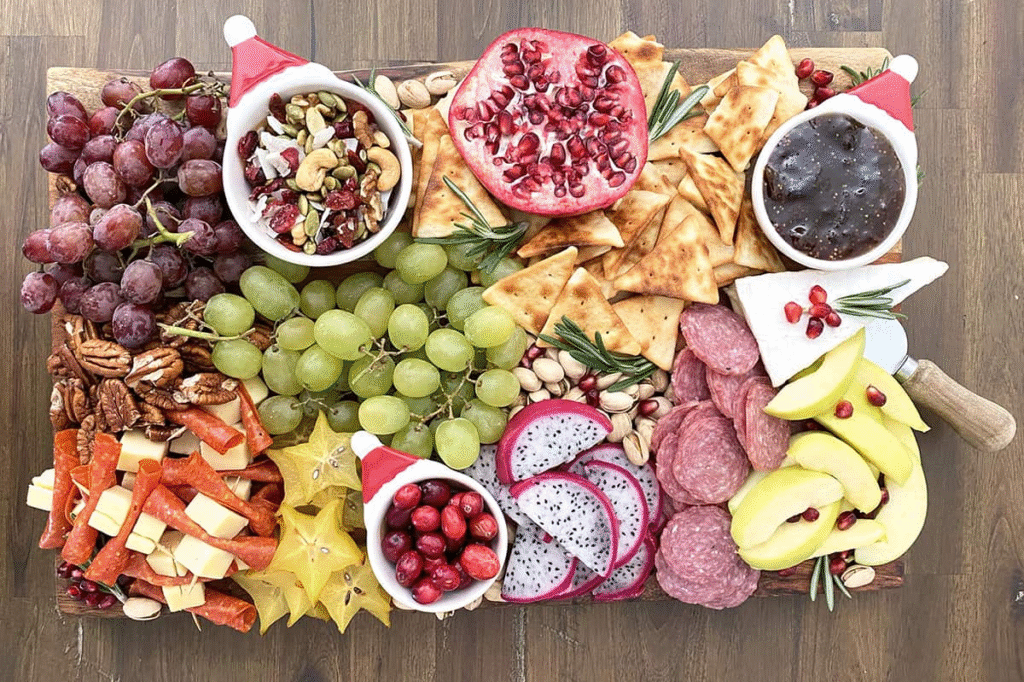
Traditionally, charcuterie refers to prepared, cured meats such as salami, prosciutto, and pâté. Today, the term “charcuterie board” has evolved to represent an abundant platter that includes not only meats but cheeses, fruits, spreads, crackers, nuts, and other accompaniments. Its charm lies in variety and customization, allowing you to tailor flavors to suit any occasion.
Key Components of a Great Charcuterie Board
1. Cured Meats
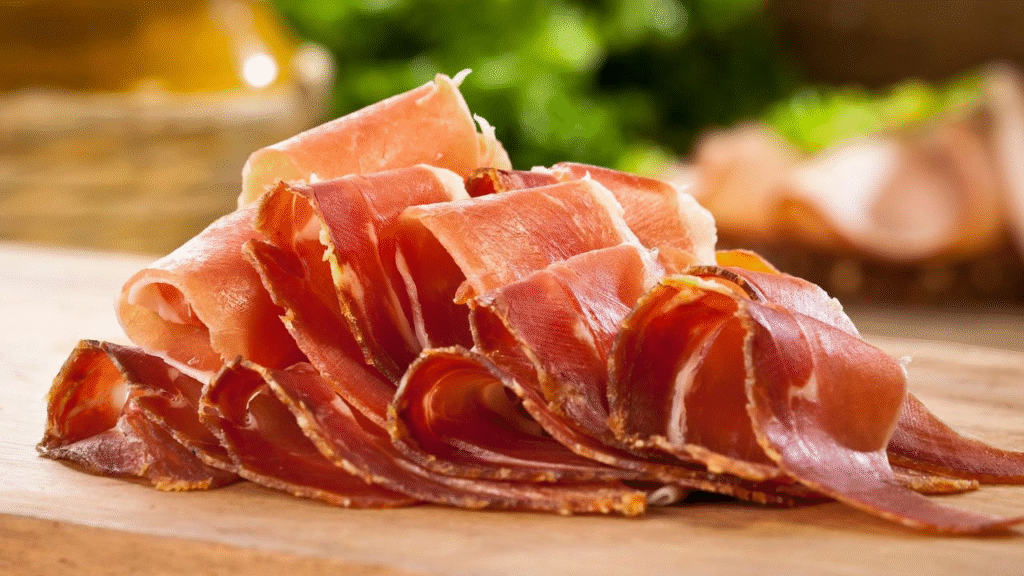
Choose a mix of textures and flavors:
- Salami – mild, spicy, or infused with herbs
- Prosciutto – delicate and buttery
- Chorizo – smoky and robust
- Soppressata – bold with peppery notes
Aim for two to four varieties to create balance.
2. Cheeses
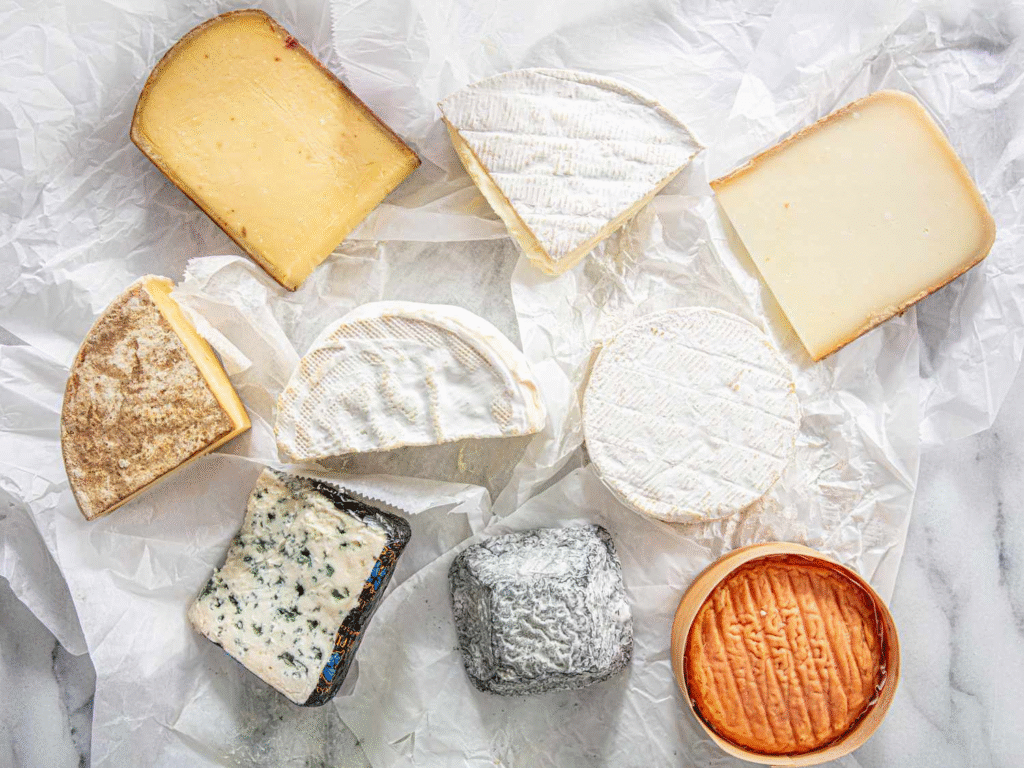
Include a range of cheese types:
- Soft: Brie, Camembert, goat cheese
- Semi-soft: Havarti, Fontina
- Firm: Cheddar, Manchego, Gouda
- Blue: Gorgonzola or Stilton
For visual interest, try different shapes—wedges, cubes, or crumbles.
3. Crackers and Bread
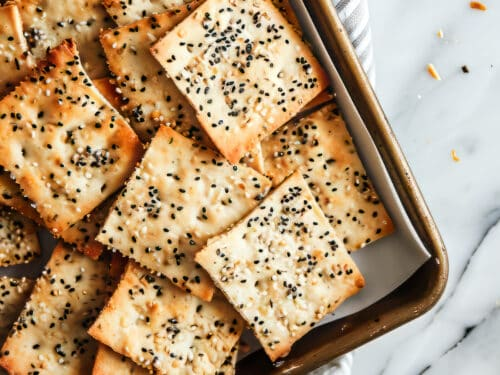
Offer a selection that complements your meats and cheeses:
- Rustic baguette slices
- Thin crackers
- Herb-infused crisps
- Gluten-free options (if needed)
4. Fruits and Vegetables
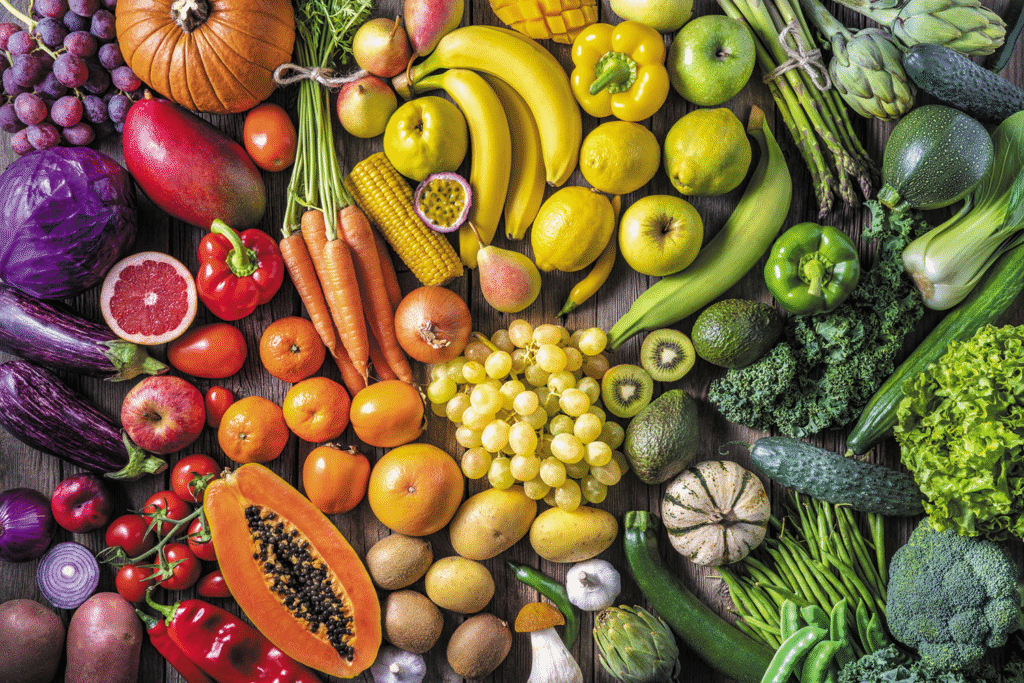
Fresh and dried produce add color and brightness:
- Fresh: grapes, berries, apple slices, cucumber rounds
- Dried: apricots, figs, cranberries
- Pickled: cornichons, olives, cocktail onions
These help cleanse the palate and cut through rich flavors.
5. Spreads and Extras
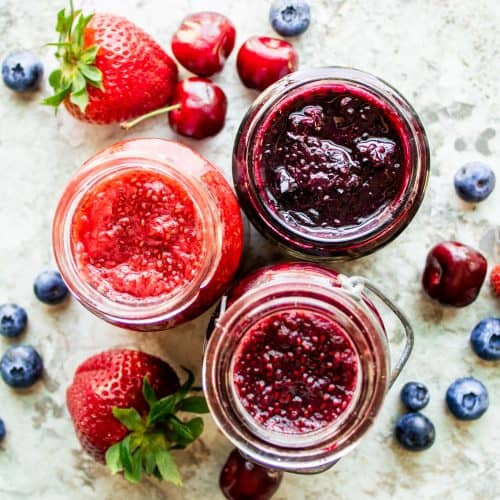
Enhance your board with:
- Honey or honeycomb
- Fig or apricot jam
- Whole-grain mustard
- Hummus or tapenade
- Almonds, walnuts, or pistachios
These finishing touches tie flavors together and provide satisfying texture.
How to Arrange the Board
Start with the Larger Items
Place cheeses first—they anchor your layout. Add small bowls of spreads or olives next.
Add Meats
Fold or roll slices for elegance and ease of picking. Spread them around the cheese to create flow.
Fill in with Produce
Tuck fruits, vegetables, and nuts into open spaces. Use contrasting colors for visual appeal.
Finish with Crackers
Place crackers last so they stay crisp. Scatter them or group them in clusters.
Tips for a Show-Stopping Presentation
- Aim for variety: The more shapes, colors, and textures, the better the board looks.
- Think seasonally: Use ingredients that reflect the time of year—such as berries in summer or apples in fall.
- Label the components: Small name tags help guests navigate unique cheeses or meats.
- Keep balance in mind: Include sweet, salty, tangy, creamy, and crunchy elements.
Modern Variations
Many hosts today experiment with themed boards:
- Breakfast Boards: pastries, yogurt, fruit, mini waffles
- Dessert Boards: chocolates, cookies, marshmallows, caramel dips
- Vegan Boards: plant-based cheeses, roasted vegetables, nuts, bean dips
Charcuterie has become a canvas for creativity, so feel free to personalize your board in fun and unexpected ways.
Final Thoughts
A charcuterie board is more than a snack platter—it’s an experience. With thoughtful selections and a little artistic arrangement, you can create a spread that delights both the eyes and the palate. From intimate nights in to festive gatherings, a well-crafted charcuterie board is always a crowd-pleasing centerpiece.