
How “Son Im Crine” Made People Finally Pay Attention
Table of Contents
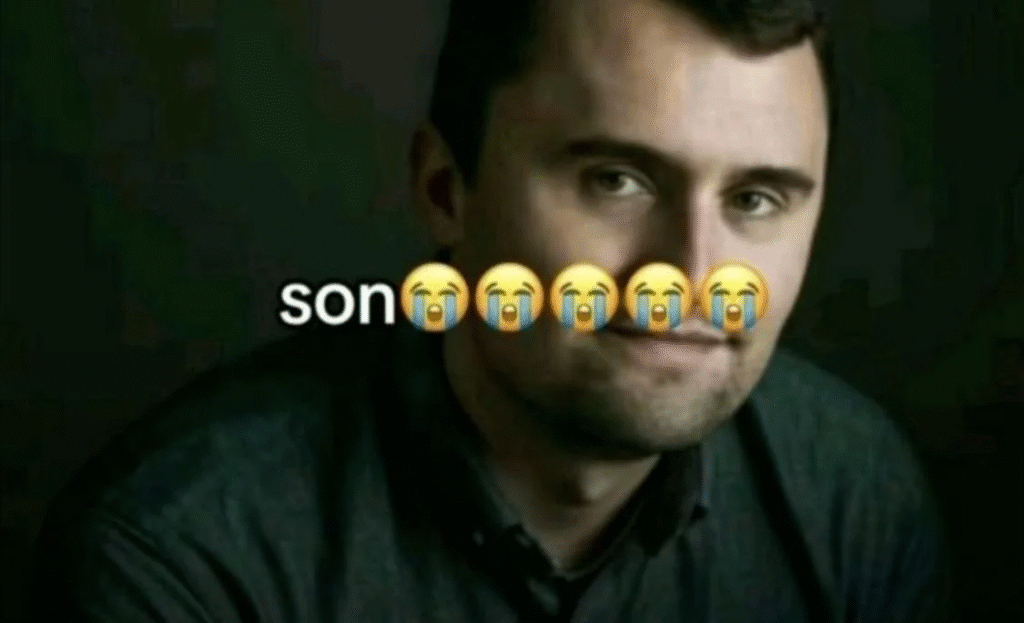
It started as just another internet phrase.
Three misspelled words.
No grammar.
No explanation.
Yet somehow, “son im crine” stopped people mid-scroll.
Not because it was loud — but because it felt real.
This phrase didn’t try to be polished. It didn’t try to go viral. It just showed up with raw, chaotic emotion… and that’s exactly why people noticed.
Why “Son Im Crine” Hits So Hard
On the internet, everything is curated:
- perfect photos
- witty captions
- aesthetic feeds
But “son im crine” sounds like something you type when you’re too emotional to even spell.
It feels:
- exhausted
- overwhelmed
- laughing and crying at the same time
That makes it relatable.
And relatability = attention.
People don’t stop for perfection — they stop for emotion.
The Psychology Behind It
“Son im crine” works because it activates three things at once:
1. Surprise
The spelling looks wrong.
Your brain pauses to process it.
That micro-pause = attention.
2. Emotion
It sounds like someone breaking character.
Like a friend laughing too hard.
Like chaos.
Emotion makes content feel human.
3. Identity
People who get it feel in on the joke.
They see it and think:
“Yeah… that’s me.”
That creates connection — and connection keeps people engaged.
Why People Started Using It Everywhere
Once one person used it and got reactions, others copied it.
Not because it was trendy — but because it worked.
It became a shortcut for:
- “this is funny”
- “this hurts”
- “I’m losing it”
All without explaining anything.
That’s powerful.
How “Son Im Crine” Changes Content
Instead of:
“This is funny”
You say:
“son im crine”
And suddenly the post feels:
- more raw
- more emotional
- more relatable
People don’t just scroll past it — they feel it.
Why It Grabs Attention Better Than Normal Words
Normal words try to explain.
“Son im crine” just reacts.
It feels like:
- a screenshot of someone losing it
- a private thought made public
- a moment, not a sentence
That makes people stop.
Content Ideas Using “Son Im Crine”
Here are ways creators use this phrase to pull attention:
1. Reaction Content
Post something funny or painful and caption it:
“son im crine”
No explanation needed.
2. Relatable Quotes
Pair it with:
- chaotic screenshots
- emotional memes
- awkward moments
It becomes the emotional punchline.
3. Aesthetic Sadness
Use it with:
- blurry photos
- moody visuals
- tumblr-core vibes
It turns humor into art.
4. Before / After Energy
Before: calm
After: chaos
Caption: “son im crine”
Instant emotion.
Why This Phrase Isn’t Going Away
Trends fade.
But emotion doesn’t.
“Son im crine” captures something people always feel:
- being overwhelmed
- laughing through pain
- being too emotional to be polished
As long as people feel messy… this phrase will live.
Final Thought
“Son im crine” isn’t just a meme.
It’s a mood.
A reaction.
A feeling people don’t know how to explain — so they type it instead.
And that’s why…
everyone keeps paying attention.